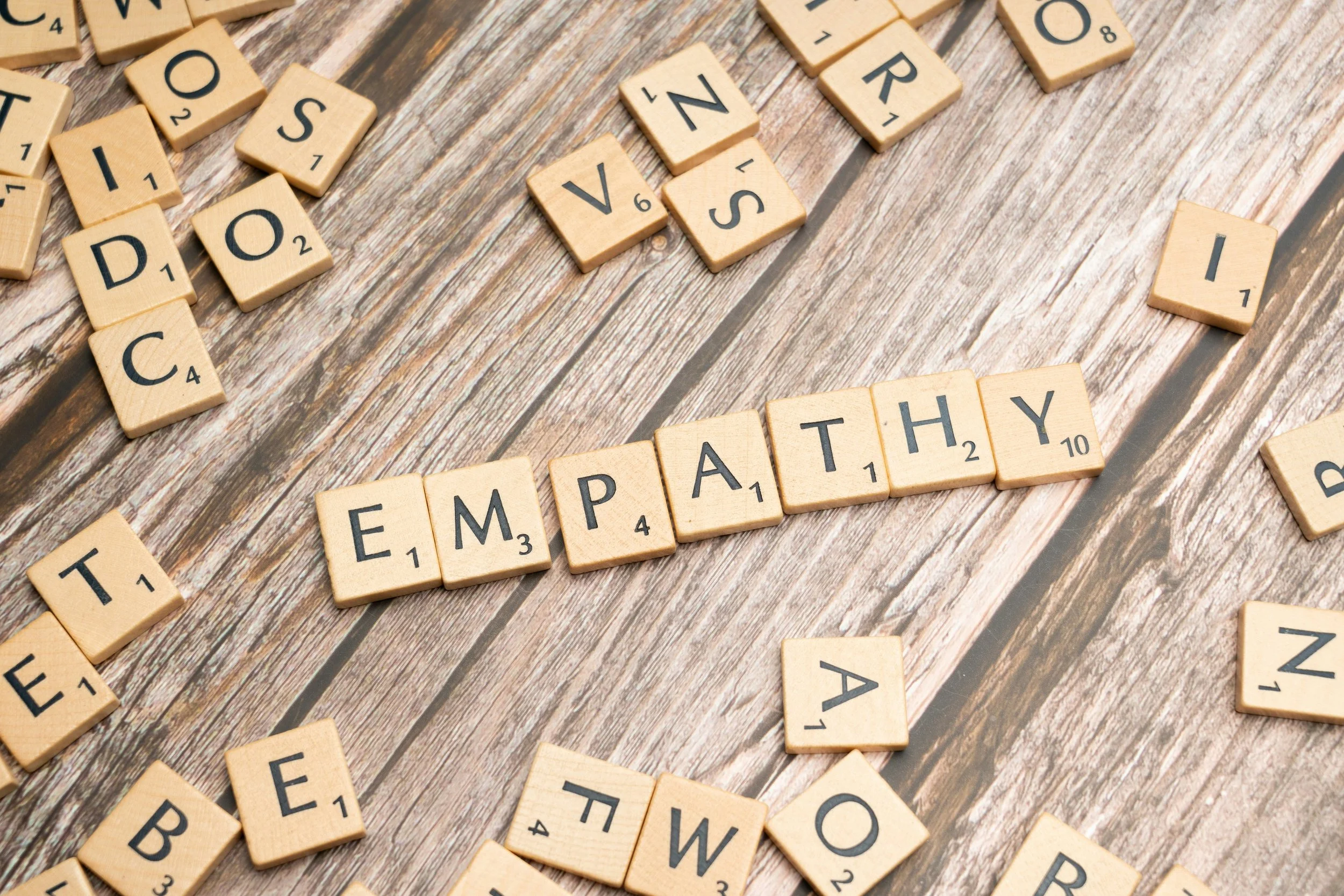
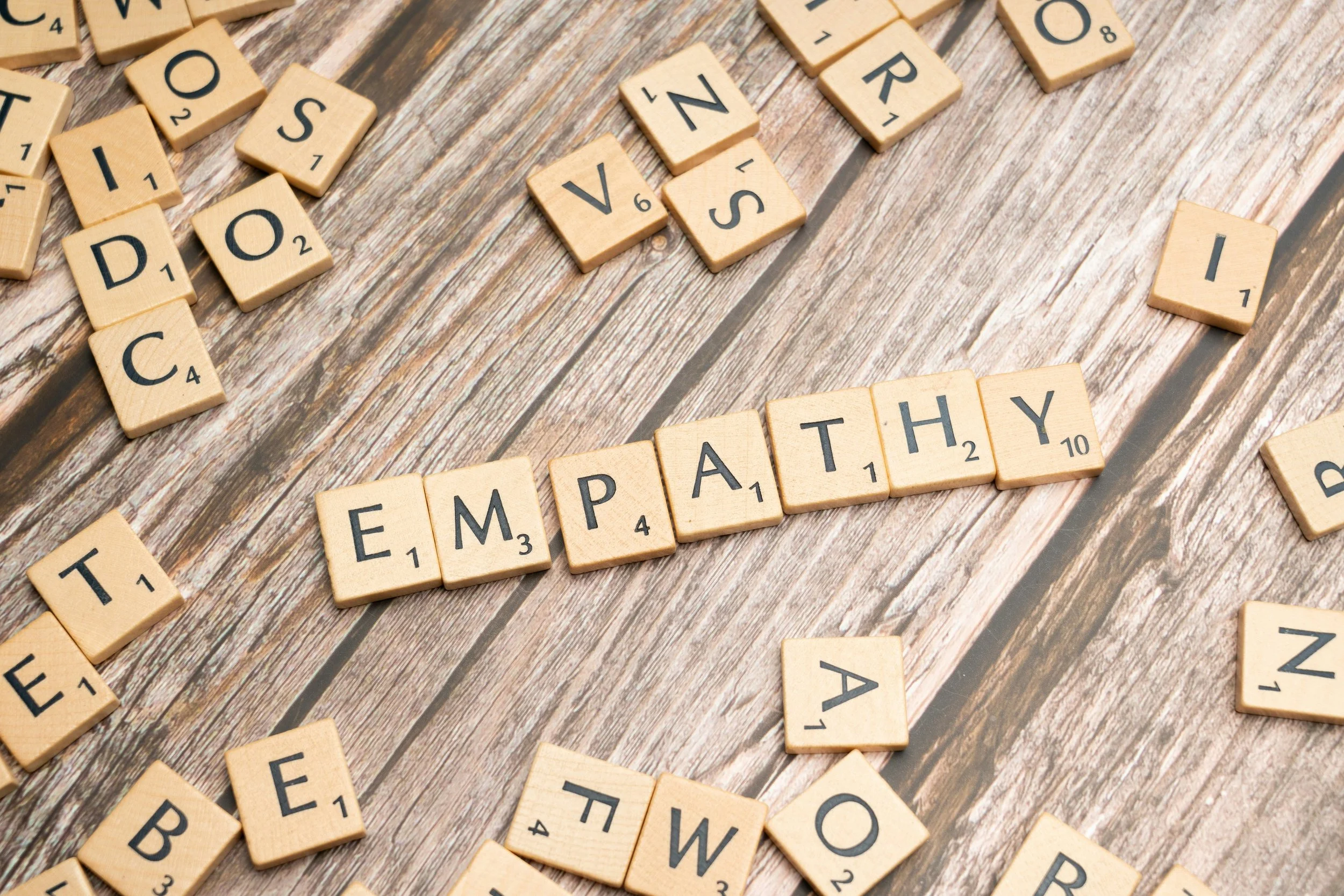
Many neurodivergent people exhibit intelligence by recognizing patterns, recalling verbal information, focusing in depth on a topic, and problem solving. As more has been done to embrace neurodiversity, these strengths have become more visible in professional and social contexts. (Nash, 2024) However, society sometimes conflates neurodivergence with low emotional intelligence, also known as EQ (Emotional Quotient). It is loosely defined as the ability to recognize and modulate one’s emotions and identify and respond to those in others (Mental Health America , n.d.). There are ways of teaching it, and many neurodivergent individuals have benefited from learning and applying self-regulation and interpersonal skills. However, as I have been exposed to Damian Miller’s “Double Empathy Theory,” or the idea that autistic people do not inherently lack empathy, but rather communicate it and express emotions differently from allistic individuals, I have begun to question how emotional intelligence could be defined in a more neurodivergent inclusive fashion (Reframing Autism, n.d.).
There have been efforts to support the neurodivergent in developing emotional intelligence. For example, I found an instructive YouTube video from the Australian neurodivergent-identified coach, speaker, and CEO of Autism From The Inside, Paul Micallef, entitled “4 Steps to Master Emotional Intelligence.” It breaks down EQ into self-awareness, self-regulation, emotional language, and managing relationships (Micallef, 4 Steps to Master Emotional Intelligence (video), 2020). These skills are needed in social and professional contexts for making friends, resolving conflict, professional teamwork, etc., and many neurodivergent people may benefit from developing them.
While I recognize the value in developing emotional intelligence, there nevertheless are more neurodivergent affirming ways of defining it. Karen, a self-described AuDHDer (someone with a diagnosis of ADHD and Autism Spectrum) with the YouTube channel “Proudly Autistic”, provided an analogy of how two autistic people may relate to one another through shared experiences. (Karen, 2024). An example could be stating “I have done that too” in response to the other person sharing an experience, rather than asking them more questions about it. For example, if one person said they went swimming at a nearby beach, the other person may comment on how they also swim there and enjoy the ocean. While neurotypicals may view the reference to one’s own experience as self-centered, sharing experience in this way may be a form of empathy between neurodivergent people. This communication style does not necessarily indicate a lack of emotional intelligence, but rather a different communication style.
In a personal testimony, Patricia Young, MSW, spoke about her rage at being told for many years that she is “too much,” “too intense,” or that it is difficult to be with her after a certain point. She further states that she found neurotypicals to be somewhat boring in their conversational topics (Young, 2023). By some standards, Young may not have been classified as emotionally intelligent due to neurotypicals reactions and misunderstandings regarding her communication style. However, she was also simply different, which resulted in an impasse in understanding by neurotypicals. Being “intense” does not necessarily indicate a lack of emotional intelligence, even if some may find that a challenge to be around.
Emotional intelligence is a broad topic, and so is how we measure it. It is important to distinguish between cognitive empathy, which is the ability to see something from another person’s perspective, and affective/emotional empathy, or literally feeling what that other person is going through (Gillette, 2023). Research indicates that those on the spectrum score lower on cognitive empathy, but that does not mean they do not experience deep emotional bonding or connection. In fact, Paul Micalleff states that autistic people can be highly empathetic due to sensitivity, attention to detail, and seeing someone’s authentic emotional state despite their attempts to hide it (Micallef, 9 Positive Autistic Traits that you may not already know! Video). Therefore, emotional intelligence may be exhibited in more ways than are captured by traditional assessments.
While many neurodivergent people struggle with aspects of emotional intelligence, Miller’s Double Empathy Theory causes some reflection on how we develop a more inclusive definition of it. While there are many EQ skills that can be developed, more attention should be given to how the neurodivergent empathize and connect, something that is often overlooked when using neurotypical standards and measurements. Recognizing the diverse manifestations of emotional intelligence will create a more inclusive understanding and society!
Click here for
Works Cited
Gillette, H. (2023, April 21 ). Understanding How People with Asperger’s Experience Empathy. Retrieved from Healthline : https://www.healthline.com/health/autism/aspergers-and-empathy
Karen. (2024, April 6). Autistic and Allistic Communication Styles. Retrieved from https://www.youtube.com/watch?v=LkYOc_cpCkw
Mental Health America . (n.d.). What is emotional intelligence and how does it apply to the workplace? Retrieved from Mental Health America: https://mhanational.org/what-emotional-intelligence-and-how-does-it-apply-workplace
Micallef, P. (2020, January 10). 4 Steps to Master Emotional Intelligence (video).
Micallef, P. (n.d.). 9 Positive Autistic Traits that you may not already know! Video. Retrieved from https://www.youtube.com/watch?v=OvZVOlVnQW0
Nash, D. (2024, March 4). PositivePsychology.com. Retrieved from Neurodiversity in the Workplace: A Strengths-Based Approach: https://positivepsychology.com/neurodiversity-in-the-workplace/
Reframing Autism. (n.d.). Reframing Autism . Retrieved from Milton’s ‘Double Empathy Problem’: A Summary for Non-academics.
Young, P. (2023, October 3rd ). Emotional Intelligence in Relationship (video) .