Why Do I Offer a Dating Support Group?
We know that it can be difficult to date as a neurodivergent person. When I first created a dating curriculum, I wanted to offer a guide for understanding the stages of dating, how to recognize and practice flirting, and how to develop self-confidence. While this group was a helpful start, I began to realize that there is more that could be offered by creating a space for neurodivergent people, including those with NVLD, to support one another in the dating process. Many neurodivergent people are told to date using neurotypical norms but may not have the opportunity to discover what will work for them. I wanted to run a group for people who weren’t necessarily looking to be told how to date but rather wanted to provide reinforcement to one another on their own dating journey.
Group Life
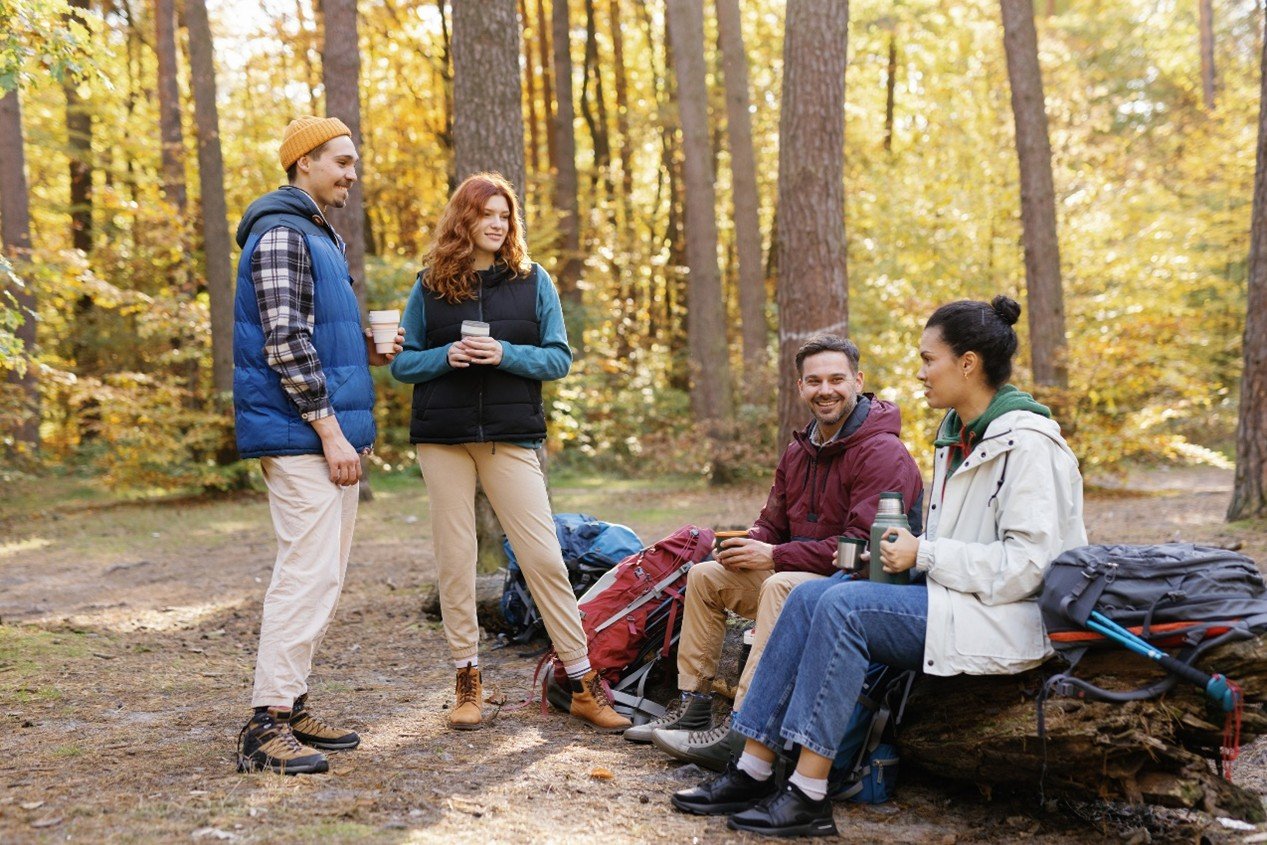
The benefits of a dating support group are well documented, with self-esteem and the development of social skills (Ostad, No Year). The research on online support groups has shown them to be a valuable addition to a person’s social life that encourages authentic self-disclosure and connection (Tanis, 2007). There is no doubt that a strong curriculum can also be beneficial, which is why I created an 11-week course of study on the dating process that includes topics that range from what neurodivergence means for dating and how to define the “spark.” I have also found that video content can be helpful for illustrating romantic connections. While I initially utilized the well-regarded and evidence-based UCLA Peers Social Skills program to demonstrate dating strategies, I have also found YouTube content to be illustrative for creating an emotional connection by asking “feeling questions” and by noticing someone’s emotional state; “I noticed your face light up” instead of factual comments, for example. When these questions are asked in the context of a support group, one can also feel more supported in the process.
While I think the development of concrete dating skills is an important goal of my dating skills group, I have learned that this alone is insufficient. The dating needs of neurodivergent people are often overlooked, with a preference for connecting through special interests, sensory needs, and sometimes, gradual connection rather than an immediate spark. I mentioned in previous blogs Dating Success: Strategies for Using Your Strengths with NVLD, by Benjamin Meyer and Overlooked: What Makes Many Young Adults with NVLD Attractive that while individuals with NVLD may face dating challenges with reading body language, understanding the meaning behind sarcasm, and transitioning between activities, they also have unique that help with creating attraction. My dating support group serves to highlight the strengths of neurodivergence.
While we do highlight our strengths, no neurodivergent dating support group would be complete without discussing rejection sensitivity. When researching this concept, which describes the pain from perceived rejection or criticism (Dodson, 2025), I found it interesting to learn about the ameliorative role of peer support groups for adolescents: “Generally, the study provided additional evidence that close, supportive, positive friendships may buffer ‘at risk’ children and adolescents from negative outcomes” (McDonald, 2010). The peer support provided in our support group helps members to manage rejection by realizing that they are not alone.
Perhaps the most important purpose of the group is to redefine what dating and connection mean from a neurodivergent perspective. The “spark,” which is usually defined as chemistry or attraction, could also be understood as shared interest, similar verbal communication style, and even a more literal sense of humor, to name a few. A lot of neurodivergent people are told to make eye contact, read body language, and flirt in ways that work for neurotypicals. While sometimes well meaning, this advice can be counterproductive and fails to build the authenticity and self-confidence needed to have success in dating. The goal of the dating support group is to develop confidence in being our genuine and authentic neurodivergent selves. I found this Huffington Post quote on unmasking when dating from Sara-Louise Ackrill and Bontle Senne to illustrate the spirt of our group: “The Right Person (or people) will appreciate our intensity, our directness, and our unique way of experiencing the world. They will find our geniuses, not faking it, a privilege to be around (Ackrill, 2025).” We highlight and share who we are to attract our ideal partner rather than conforming to be liked.
it is important to develop dating skills in a neurodivergent peer support group, but providing a space that provides for mutual validation and new ways to define what it means to date as a neurodivergent person and develop the “spark” is also beneficial. I am pleased to say that my dating skills group will be starting again on March 30th with an 11-week curriculum, and we are looking for more members to join! Reach out to me on my website, which is benjaminmeyerlcsw.com, or contact me at benjaminmeyer@learndifferently.hush.com. or 3477683909
Click here for more information on coaching for neurodivergent individuals and couples
Bibliography
Ackrill, S. L. (2025, June 13). Leave the Mask at Home: The Neurodivergent Dating Rule I Wish I Knew Sooner . Retrieved from Huffpost : https://www.huffingtonpost.co.uk/entry/dating-when-youre-neurodivergent-masking_uk_684bf13de4b0a06999abe10d
Dodson, W. (2025, November 3). How ADHD Ignites RSD. Retrieved from ADDitude : https://www.additudemag.com/rejection-sensitive-dysphoria-and-adhd/?srsltid=AfmBOop1Pp90AXYGykW3b-eTmJKMlQGekUukE3f3DhwlN4OPd-y_2qHK
McDonald, K. L. (2010). Interactions Between Rejection Sensitivity and Supportive Relationships in the Prediction of Adolescents’ Internalizing Difficulties. Journal of Youth and Adolescence, 39, 563-574.
Ostad, L. (N.D.). Dating with Autism: Embracing Love's Spectrum. Retrieved from Thriving Wellness Center : https://www.thrivingwellnesscenter.com/blog/relationshiptherapy-8lwcp
Tanis, M. (2007). Support Groups. (A. M.-D. Johnson, Ed.) Oxford. Retrieved from https://books.google.com/books?id=BcAdAAAAQBAJ&lpg=PA139&ots=xvxc2RJoR6&dq=The%20benefits%20of%20a%20dating%20support%20group&lr&pg=PP1#v=onepage&q&f=true
